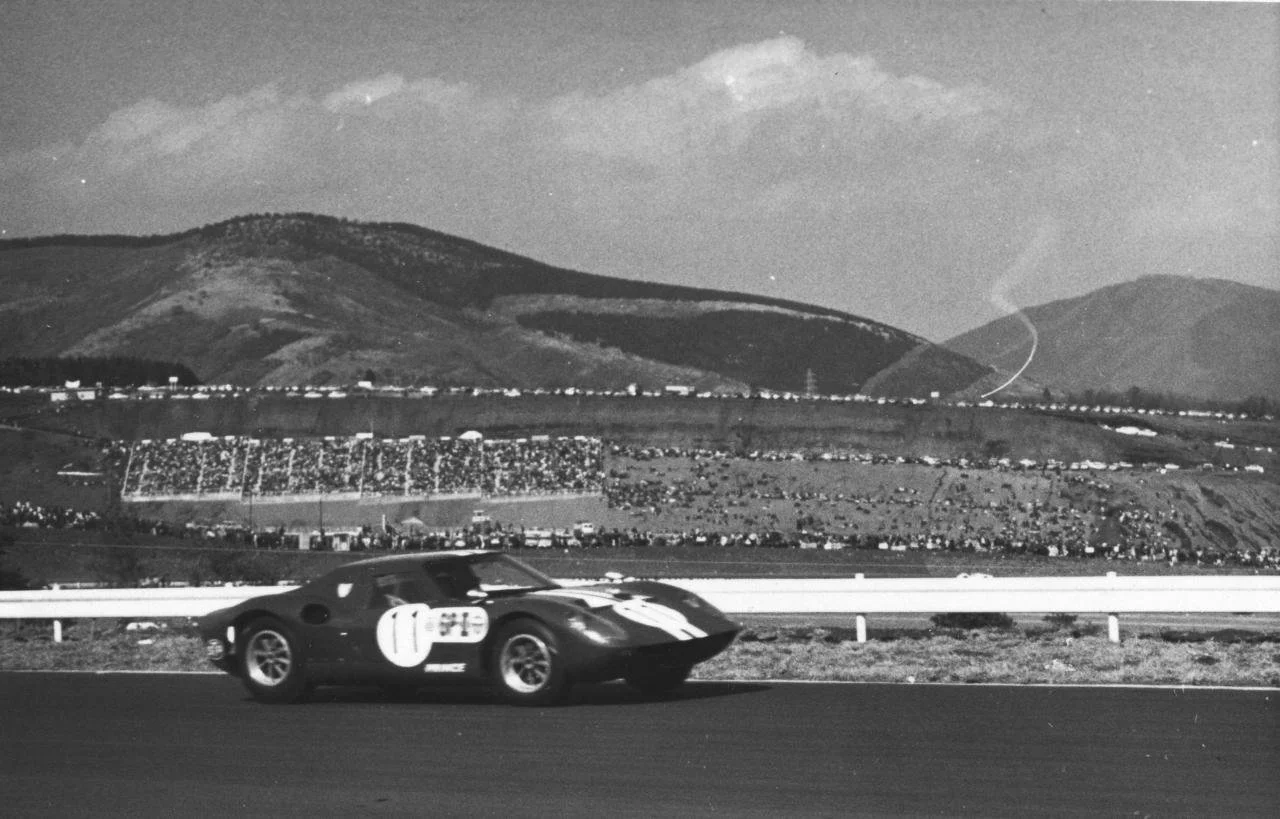
Prince Skyline GT: The Day Godzilla Was Born
1963 JAPAN GRAND PRIX
Over 200,000 spectators flocked to Suzuka Circuit for the 1963 Japan Grand Prix. The event marked the first time a major race had taken place in the country since before the war. Across two days, drivers the world over would duke it out for glory on the track. The main race featured machines such as the Ferrari 250GT, Lotus 23, Jaguar D-Type, and Aston Martin DB4GT. With car ownership still being a luxury in Japan at this point, it must’ve been incredible for those in attendance to see machines like this.
Domestic manufacturers also took part in the action. Toyota, for instance, earned first-place victories in multiple categories. No doubt the most iconic showing from a homegrown make came from a Datsun. Genichiro Tawara entered his personal Fairlady 1500 into the Touring class. He stood no chance against the established, well-funded teams that were also participating. None of that mattered. When the checkered flag fell, the victor wasn’t a Porsche, Triumph, or MG, but Tawara’s Nissan. Not only did he win, but he bested the second-place TR4 by 6 seconds. Legends were forged on the tarmac that day.
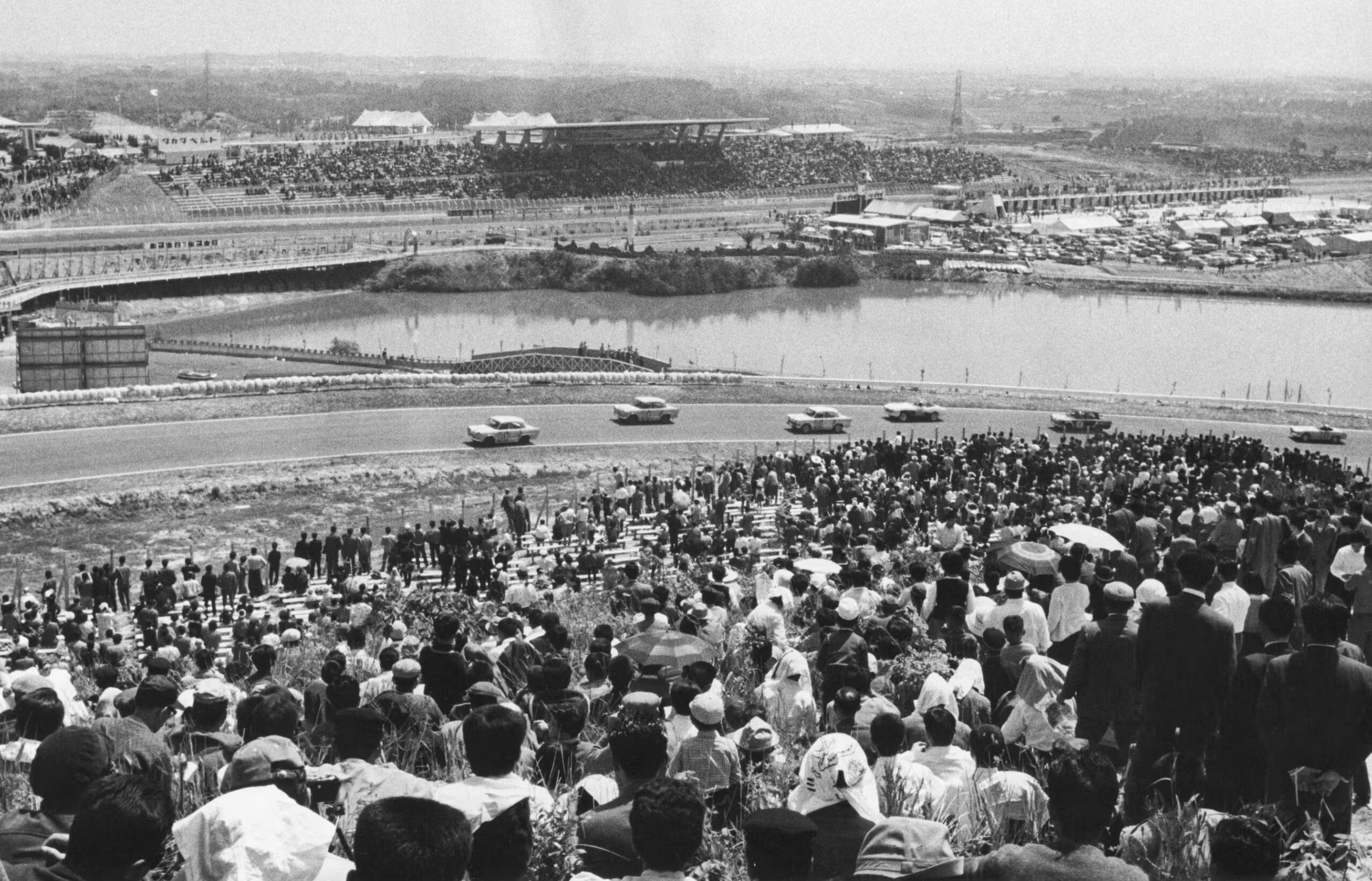
1963 Japan Grand Prix
A BRIEF HISTORY OF PRINCE
Just as racing success can elevate a brand, failure can tarnish one’s image. Case in point, Prince Motor Company. It entered three Glorias and three Skylines in the C-VI race. They finished 8th-10th, 13th, and 16th. The sixth car, a Gloria, did not start. This showing would’ve been disappointing enough on its own, but for a company with such aspirations as Prince, it was downright crushing.
Although the automaker hadn’t been building cars for very long, it did have roots that stretched back over a century. Ishikawajima Shipyard was established in 1853. It wasn’t until 1924 that the firm branched out into the aviation sector. A dozen years later, the Japanese Army assumed control of that arm of the company and renamed it the Tachikawa Aircraft Company. It devoted itself to wartime production once hostilities kicked off.
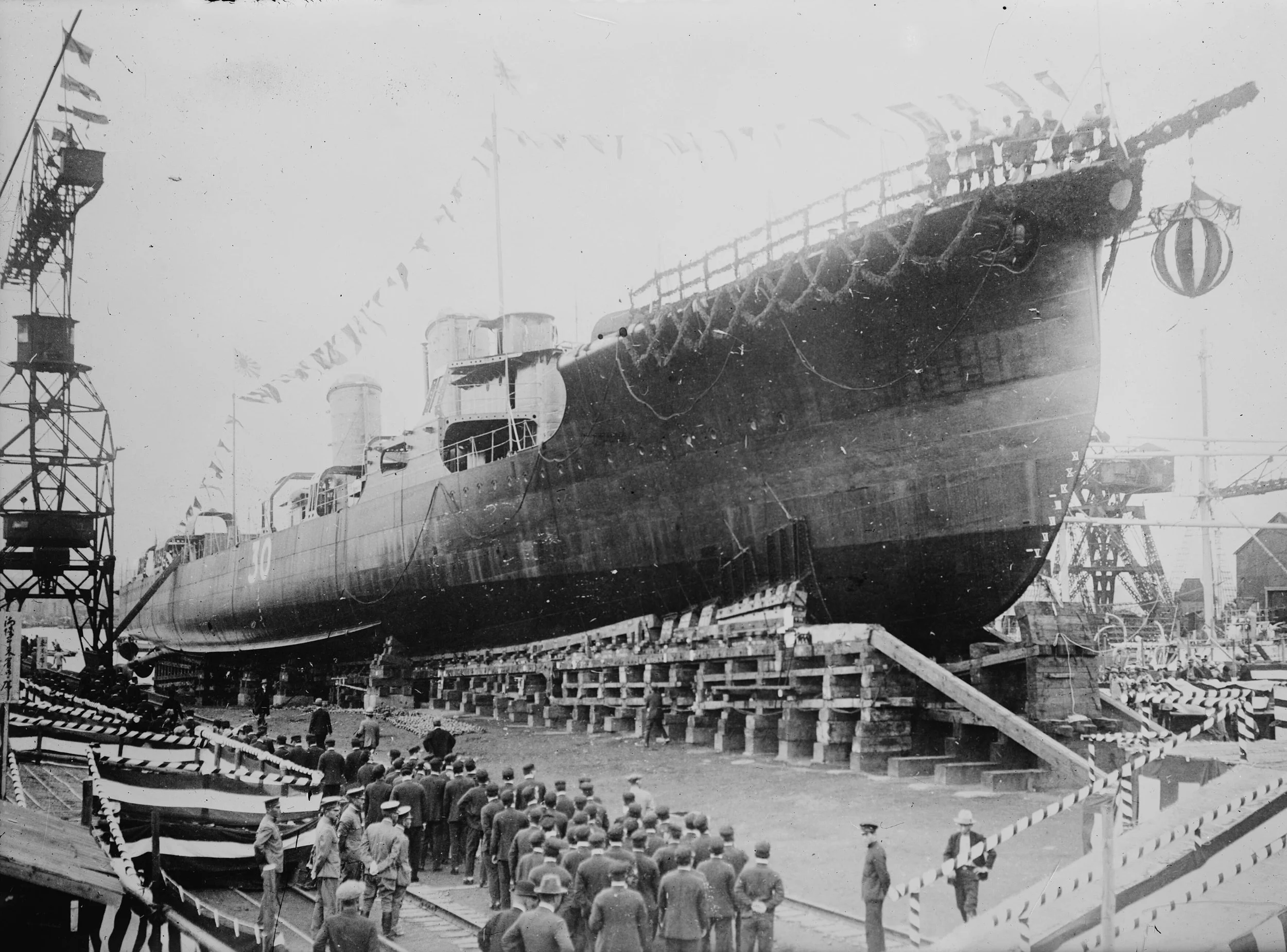
Launch of a Japanese ship at Ishikawajima Shipyard. October 6, 1926
With Japan’s aviation industry in shambles following World War II, Tachikawa was forced to evolve. It reorganized into the Tokyo Electric Car Company and, in 1946, began selling the Tama, a small electric vehicle. The company changed its name again to the Tama Electric Car Company in 1949. It changed its name one final time in 1952 to Prince Motor Company.
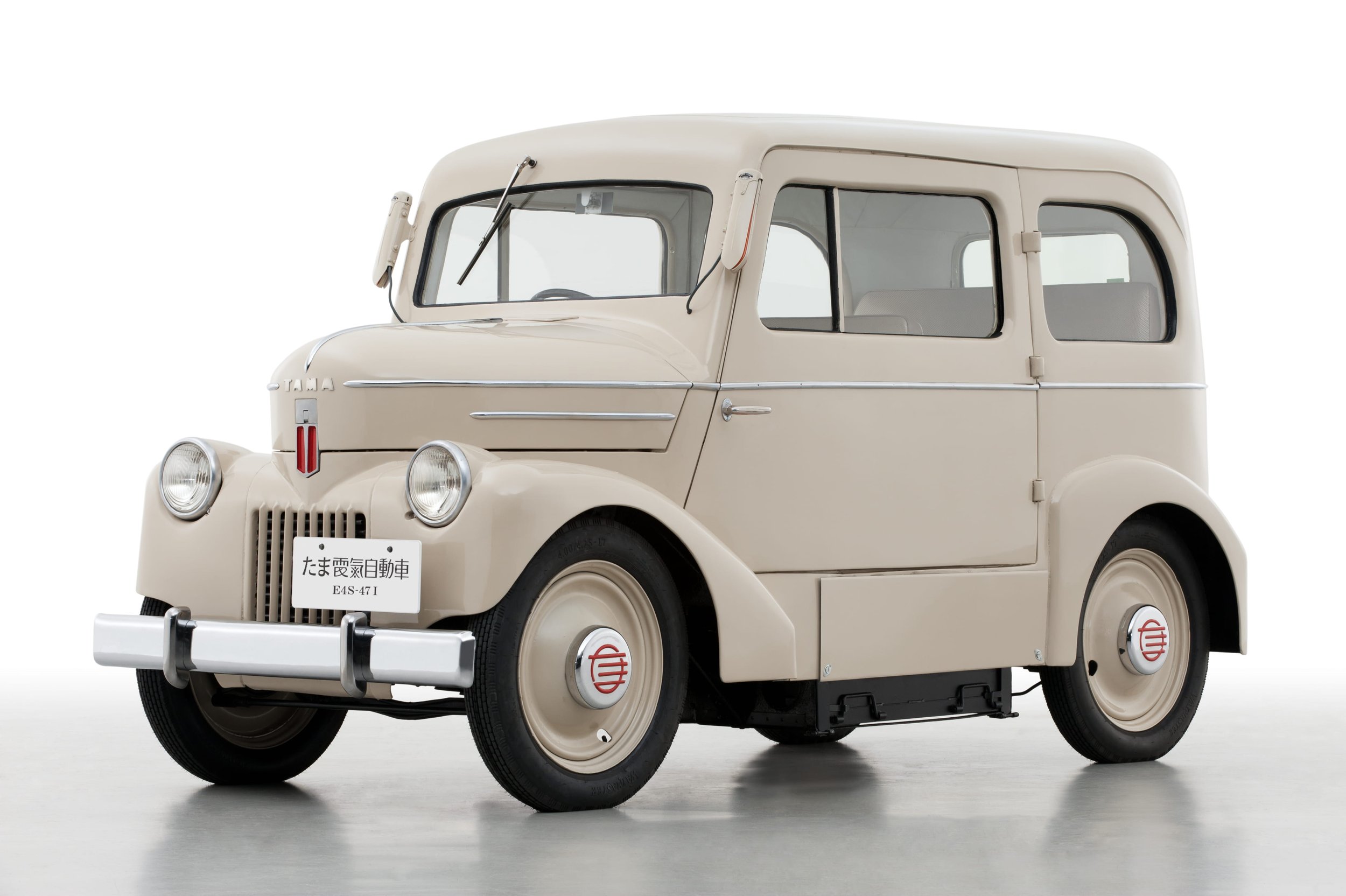
1947 Tama Electric Car
When oil became more readily available in Japan, it switched its focus to gasoline-powered vehicles. Its first car was simply known as the Sedan. The automaker merged with Fuji Precision Machinery, its engine supplier, in 1954. Three years later, the Sedan was replaced by the Skyline. It was more advanced than its predecessor, adopting a De Dion suspension at the rear in lieu of a live axle. It also featured a 1.5L inline-4 that made 60 horsepower and could propel the car to a top speed of 80mph. Various updates tweaked the styling and bumped power up a touch.
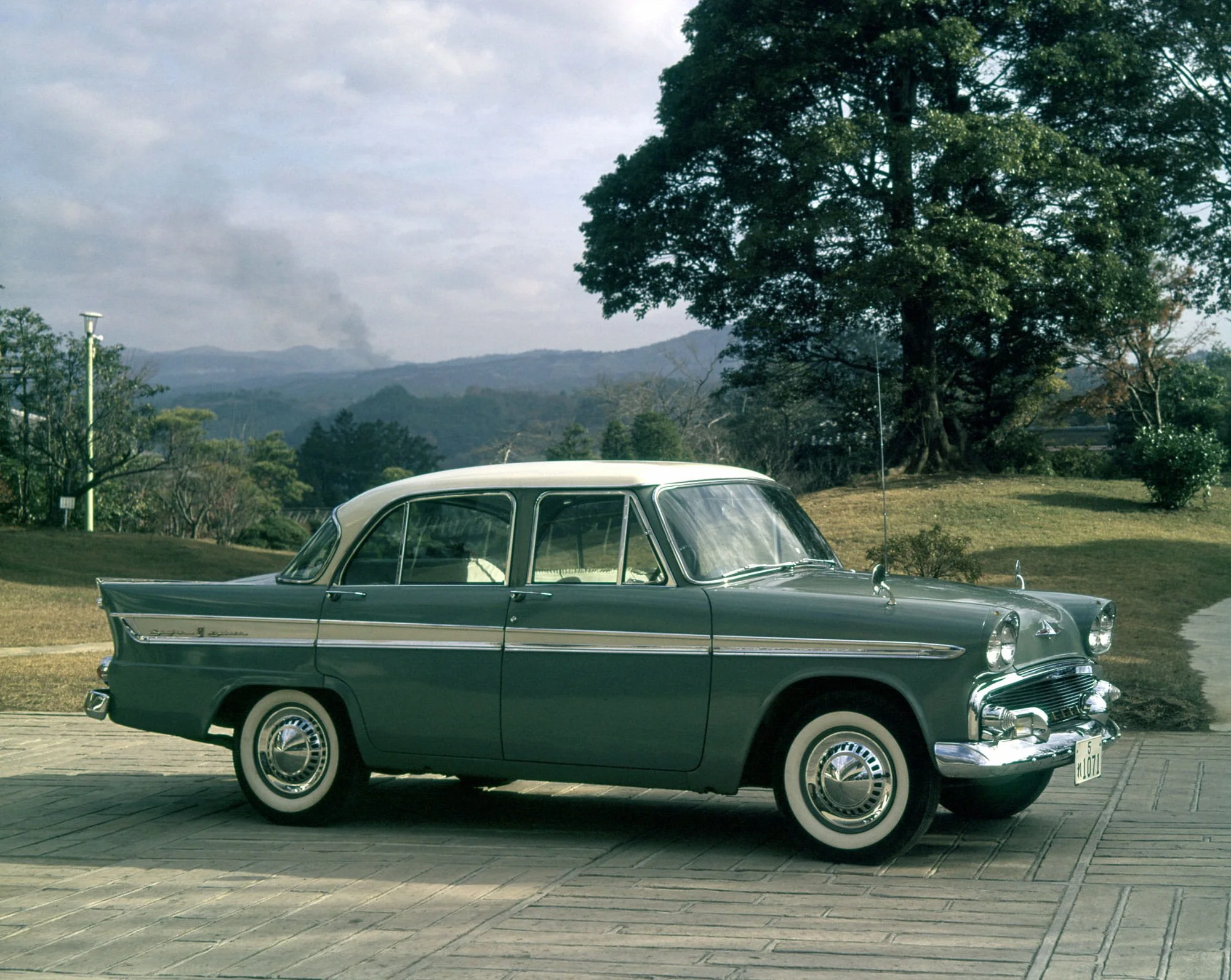
1960 Prince Skyline
Prince Motor Company also had its own flagship model in the Giovanni Michelotti-designed Skyline Sports. It signaled a turning point in the country’s automotive industry. With style becoming a greater consideration, Japanese companies sought the expertise of established designers and coachbuilders. And that trend began here. This was especially impressive considering some other companies were just coming off of building cars under license.
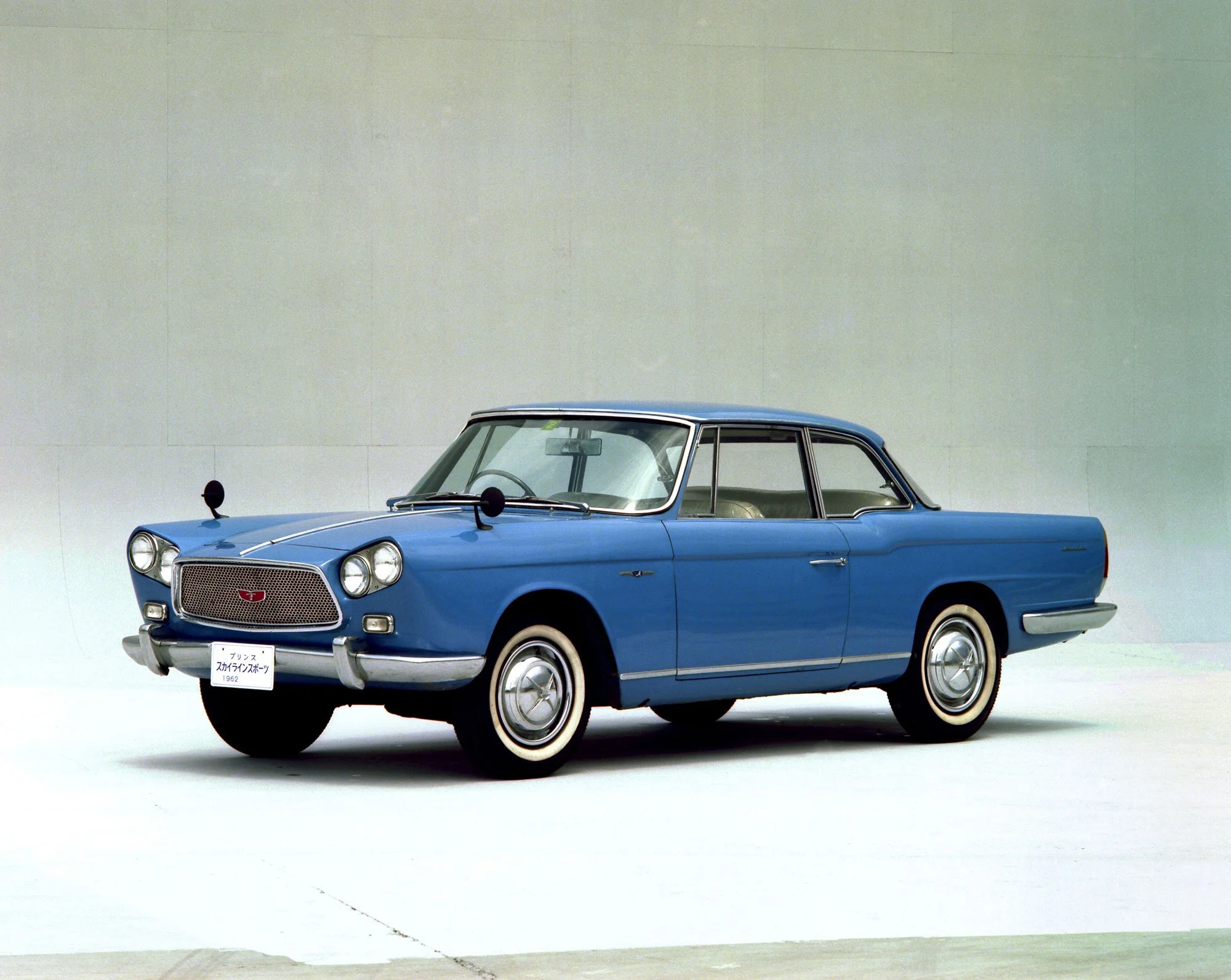
1962 Prince Skyline Sport
It didn’t come cheap. Japanese Nostalgic Car states that it cost $17,500 when new. This works out to over $193,000 when converted for inflation. It’s no wonder why Prince only managed to sell 60 of them. Simply looking at sales data for this model would be missing the point. It told the world that Prince strived to be ahead of the curve and a cut above its contemporaries. The disappointing outing in the inaugural Japan Grand Prix undermined these efforts.
The second-generation Skyline launched in September 1963, just a few months after the 1st Japan Grand Prix. And this is where Prince’s engineers would work their magic.
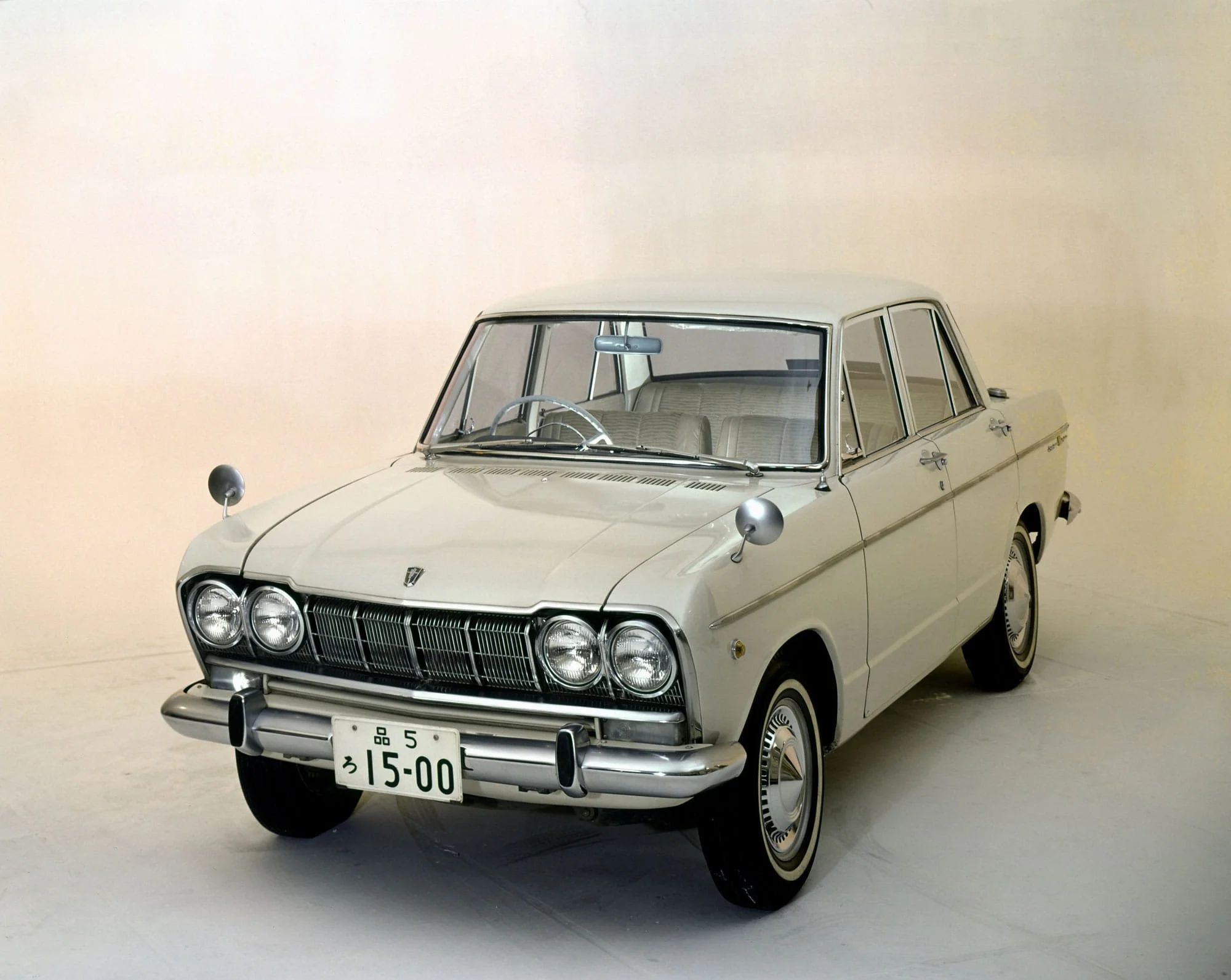
1963 Prince Skyline 1500 Deluxe
DEVELOPING THE RACE CAR
The company hired Shinichiro Sakurai in 1952 upon his graduation from Yokohama National University. He would be leading the charge in turning the compact Skyline into a fire-breathing racing thoroughbred. Increasing power was surely at the top of their priorities, as Suzuka Circuit had two high-speed straightaways. Instead of modifying the existing engine, the team opted to drop in the G7 straight-six from the Gloria.
If only it were that easy. The Skyline’s engine bay wasn’t large enough to accommodate the G7. To make it happen, they had to add an extra 20cm of sheet metal ahead of the cowl. This, predictably, threw off the car’s dynamics and compromised its rigidity. Other factors made piloting the Skyline a challenge, as Prince factory driver Yoshikazu Sunako explained:
“The body balance was very bad and the tires were ‘out,’ so that’s why we could only drift when we turned. We slipped and drifted because the tires were out. But these issues actually turned out to be good for us.”
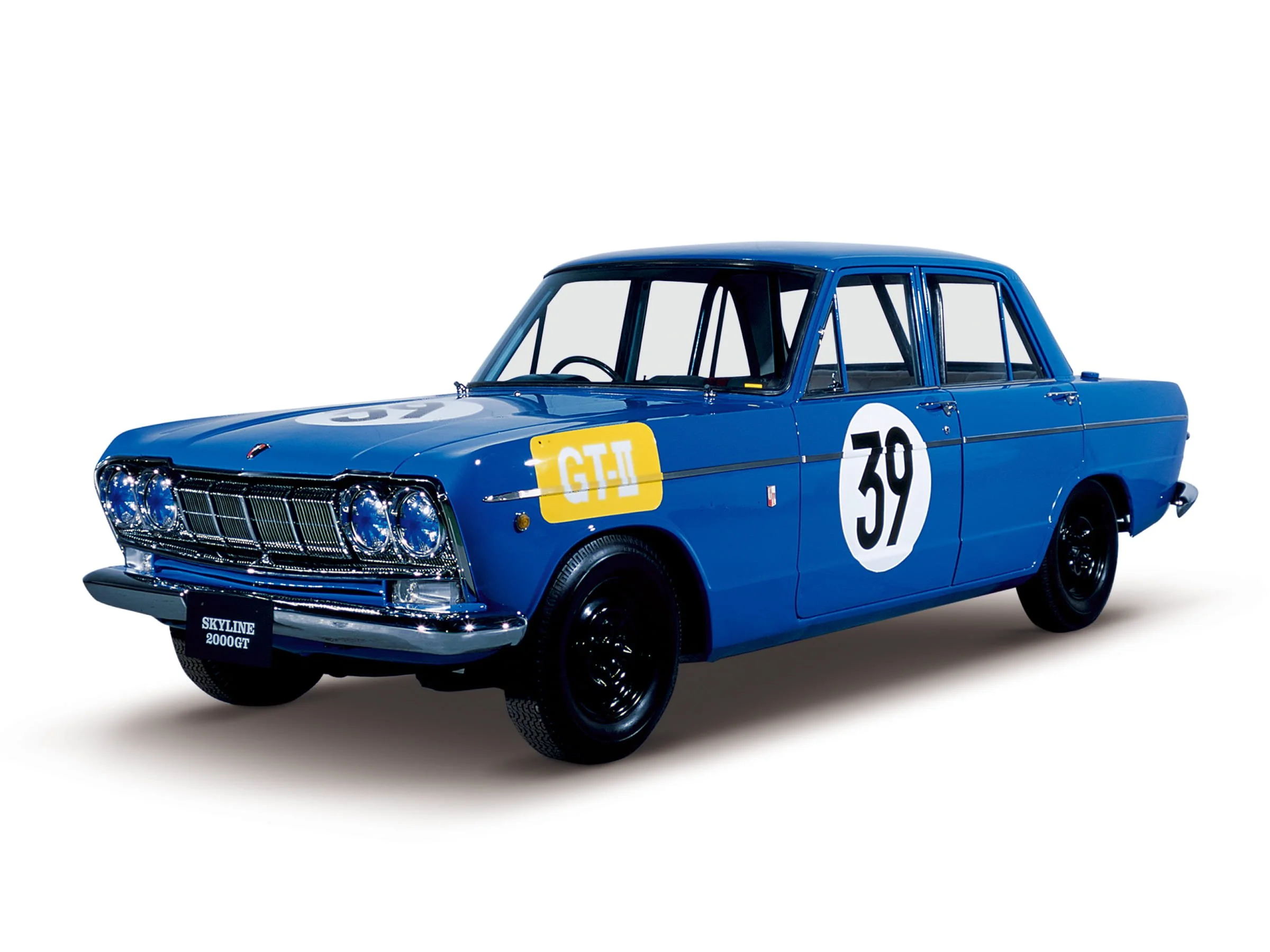
Prince Skyline 2000GT
QUIET BEFORE THE STORM
Prince brought seven Skyline GTs to the 2nd Japan Grand Prix. Driving car no. 39 was the aforementioned Yoshikazu Sunako. This was actually his first major race on four wheels. Yamaha initially brought him on in 1955, and it wasn’t until 1963 that he made the move to Prince.
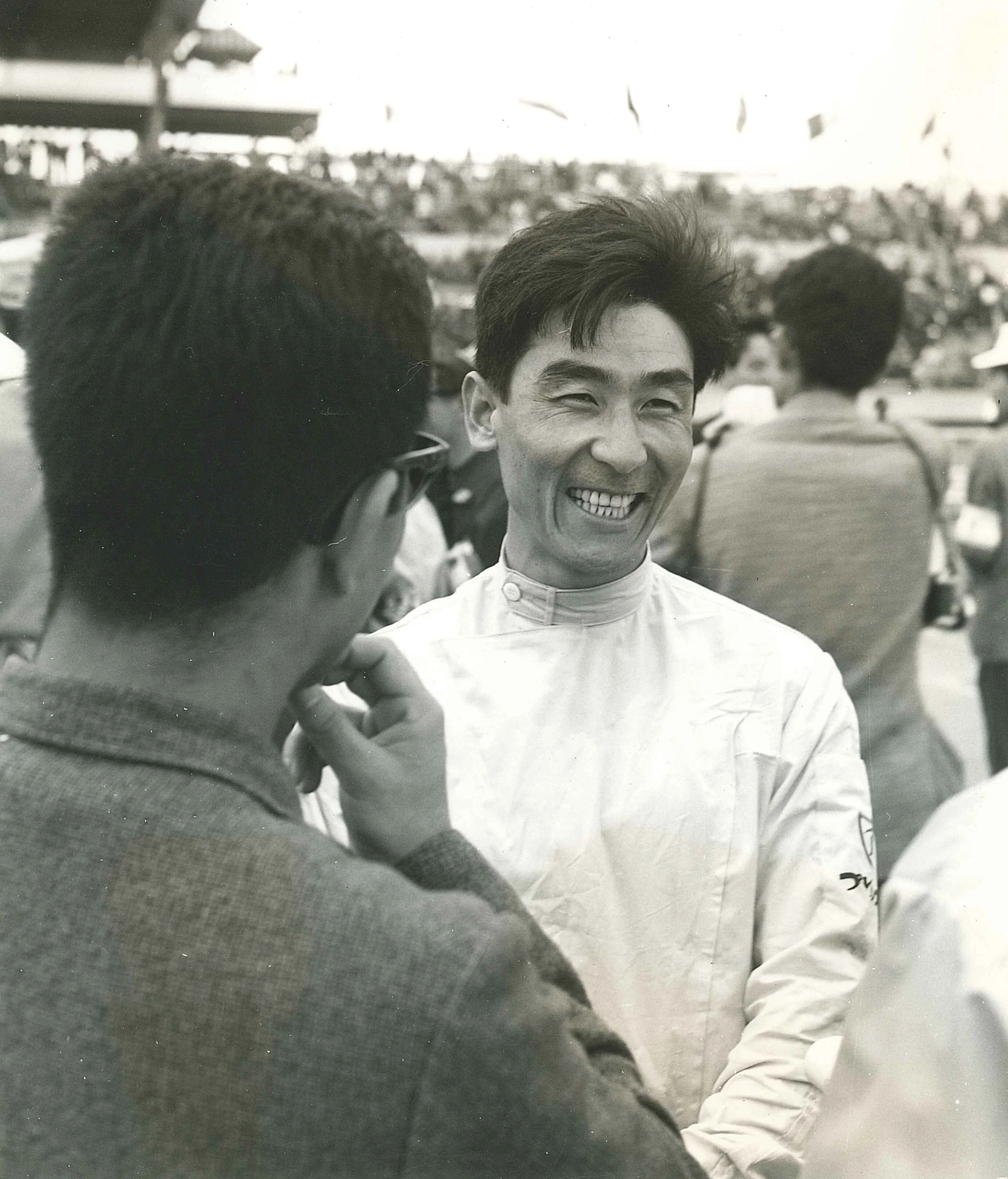
Yoshikazu Sunako
Tetsu Ikuzawa would be piloting car no. 41. The talented racer achieved national fame after his showing at the Asama Volcano Race in 1958. Although he was not allowed to finish the race, organizers awarded him the “Fighting Spirit Prize” for being the youngest participant. Ikuzawa drove for Honda and Tohatsu before joining Prince in 1963, while still attending the College of Art, Nihon University. He actually represented the company in the previous years’ Japan Grand Prix. Records indicate that he finished in 16th place and was only able to complete 8 laps. Ikuzawa arrived at the 1964 GP determined to have a better outing.
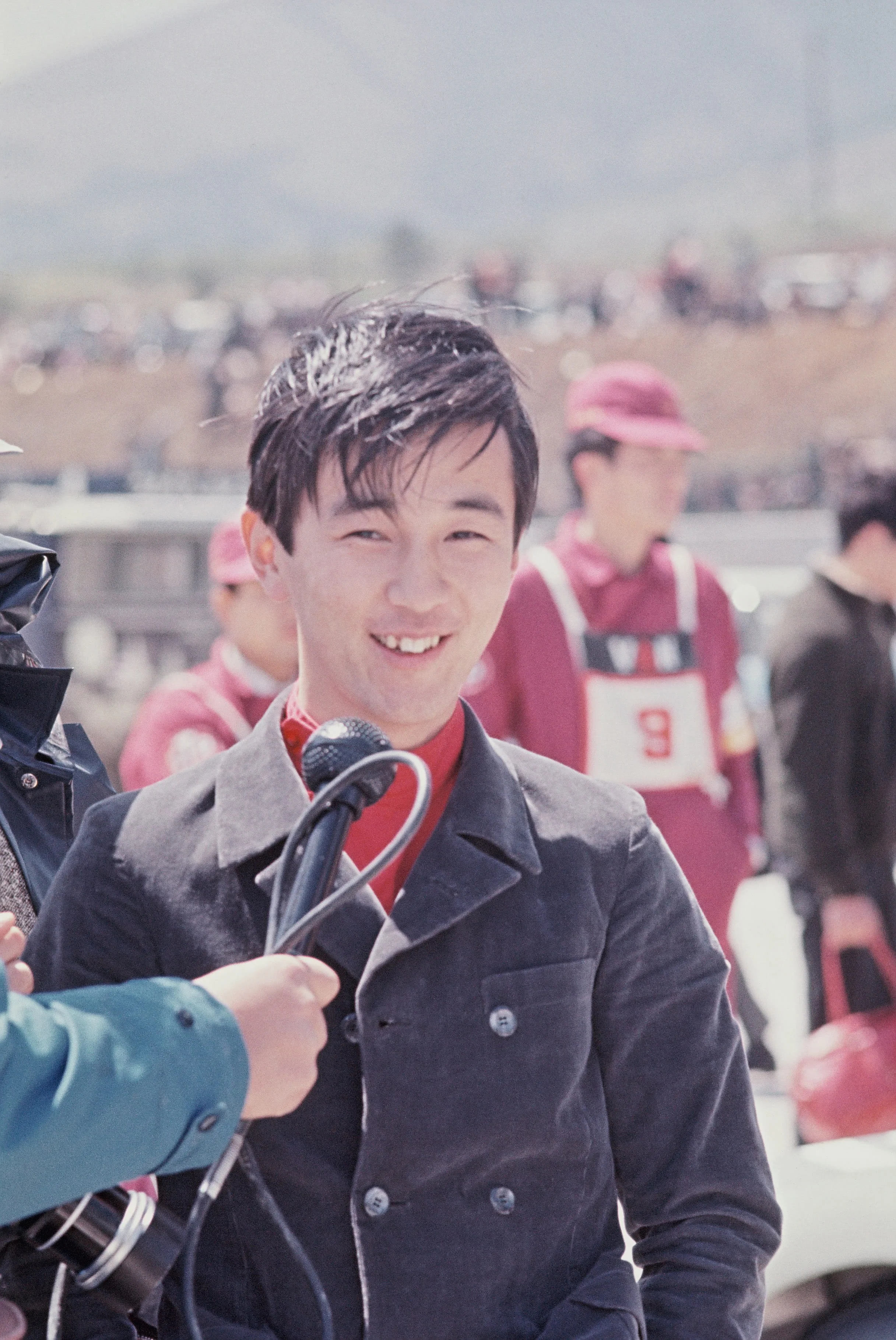
Tetsu Ikuzawa
The Prince team must’ve felt confident seeing the field, which consisted of Fairlady Roadsters, two Lotus, a few MGs, a few Isuzus, and a Triumph. Capable machines to be sure, but nothing that struck fear into their hearts. With a year of experience under their belt and a fleet of cars at their disposal, there was no reason for Prince not to show out here. It wouldn’t have been a surprise for them to win outright. Such a result would more than make up for the previous years’ disappointment. Prince’s confidence was soaring, but then they caught word of a last-minute entrant that had the potential to spoil their lofty aspirations.
A NEW CHALLENGER
They’d have to contend with the Porsche 904, the latest competition machine out of Stuttgart. On paper, the Skyline GT stood no chance of victory. Powering the 904 was a mid-mounted, air-cooled, four-cam flat-four that made 180 horsepower. The website Stuttcars writes that “At the time it was considered the most advanced four-cylinder ever designed and put into production.” It could accelerate from 0-60 in a blisteringly fast 5.5 seconds and reach speeds of up to 160 miles per hour. The 904 also featured lightweight fiberglass body panels, 4-wheel disc brakes, and a drag coefficient of .33. Porsche designed it from the ground up as a highly capable, no-compromise race car. Prince’s engineers did what they could with the Skyline GT, but it was still a compact family sedan at heart.
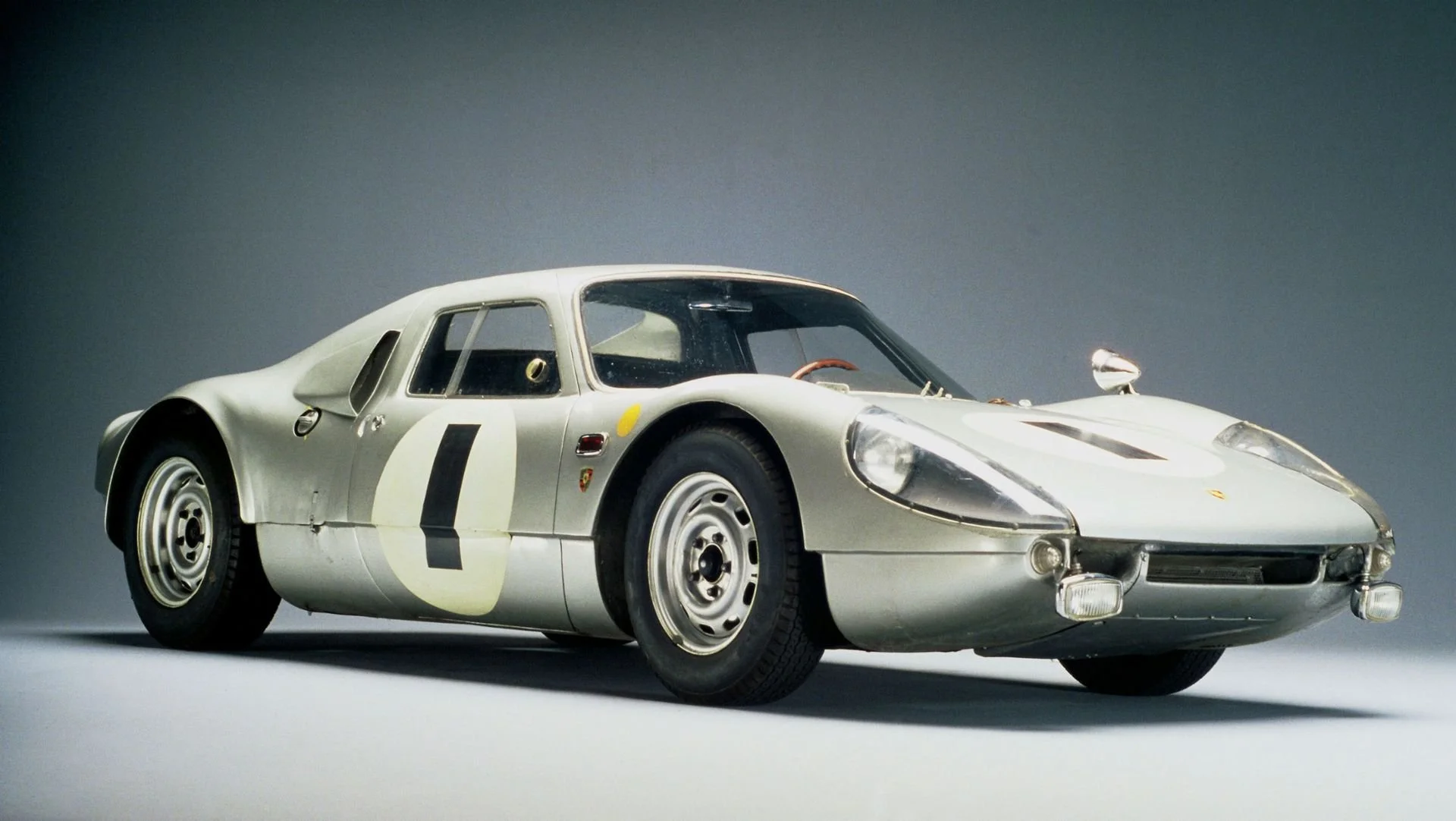
1964 Porsche 904 Carrera GTS
Just how did a car like this wind up in Japan anyway? And on such short notice? Look no further than its pilot, Sokichi Shikiba. At the first Japan Grand Prix, he won the C-V race behind the wheel of a Toyopet Corona. This connection led some to believe that Toyota orchestrated the whole thing in an effort to keep Prince out of the spotlight. Shikiba debunked these accusations. A translated Minkara article states that it was made possible through a connection he’d made with Fritz Füschke von Hanstein, the director of the Porsche works team. Shikiba asked if he could enter the 1964 Japan Grand Prix in a Porsche. Hanstein agreed. Half of the cost was covered by his father, who was the managing director of Shikiba Hospital. The other half was covered by his contract with Toyota and his part-time job income as a car journalist.
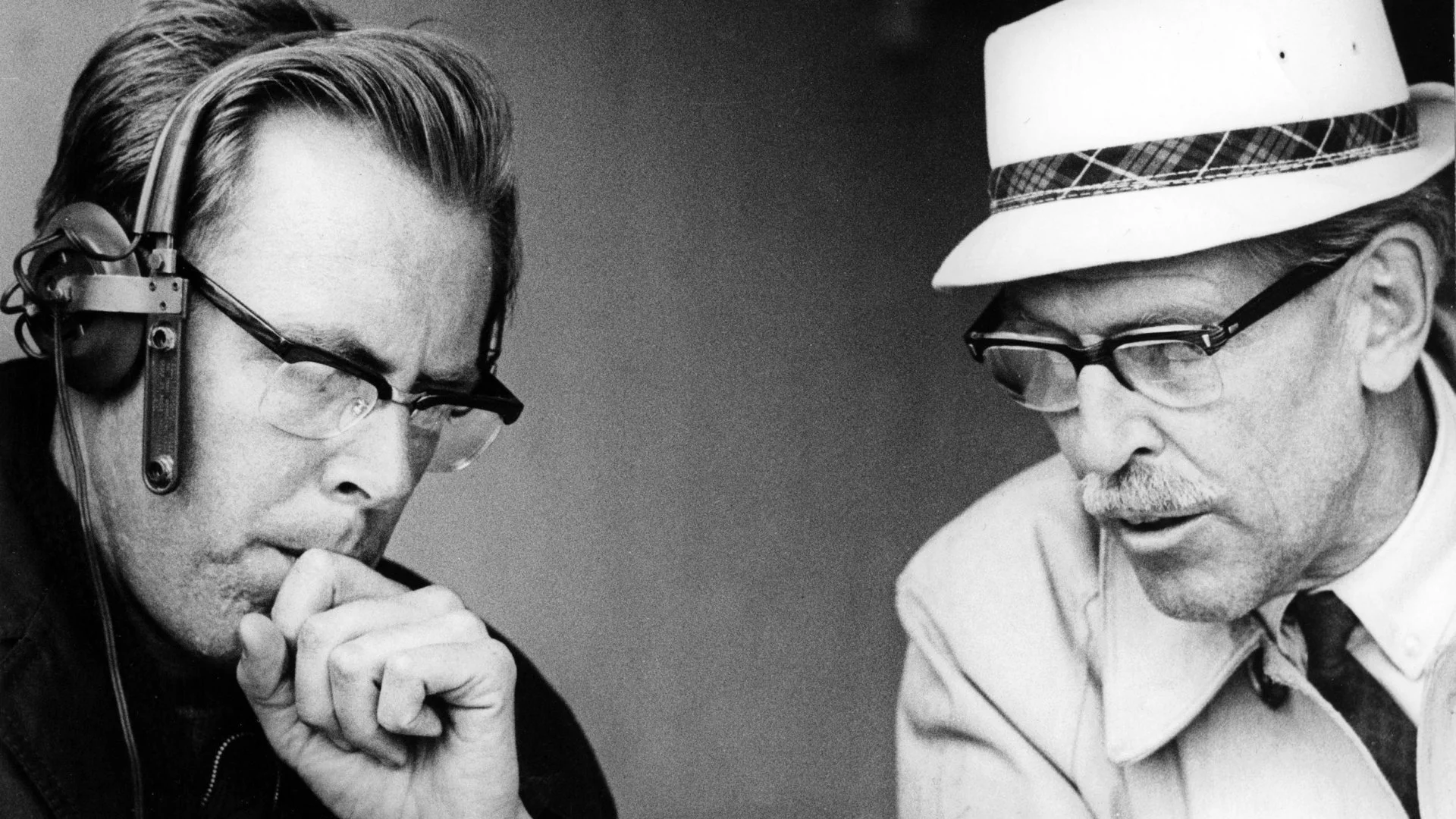
Fritz Füschke von Hanstein (Right). Porsche Newsroom.
This should’ve been a dominant, drama-free win for the Porsche. A wrench was thrown into those plans during practice day. A catastrophic brake failure sent it into a guardrail. Shikiba walked away from the crash uninjured, but the car was severely damaged. The impact cracked the fiberglass front end and affected the steering. It was taken to a nearby shop where mechanics worked through the night to complete the repairs. The work spilled into race day.
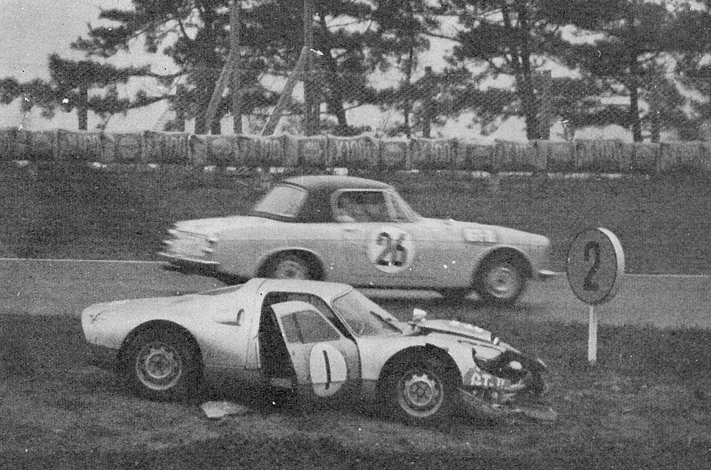
Prince held out hope that the 904 wouldn’t be allowed to start. Under normal circumstances, this would have been the case. When the team brought the matter up to officials, their concerns were brushed aside. Those people in the stands came to see the Porsche in action. They’d wait for it until the last possible moment if necessary. Four minutes before the start of the race, the Porsche finally rolled onto the starting grid.
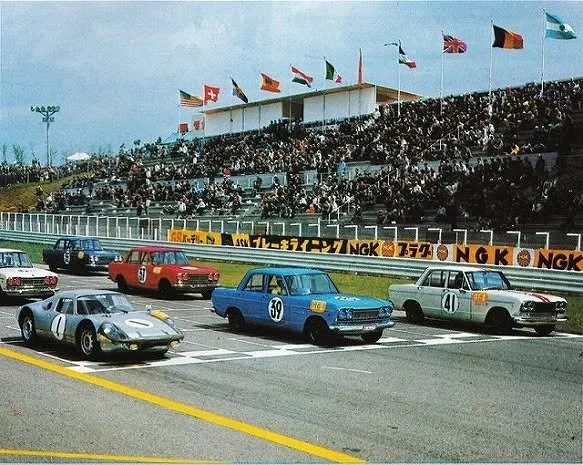
Perhaps Prince’s concerns were a bit overblown. Both Ikuzawa and Sunako finished ahead of it in qualifying. Of course, this could’ve been chalked up to Shikiba getting used to the current state of his car. The shop did what it could given the tight turnaround time, but it was still a little worse for wear. The steering, in particular, took some getting used to. The details didn’t matter much to Prince. Anything that gave them an advantage in the main event was more than welcome.
A LEGEND IS BORN
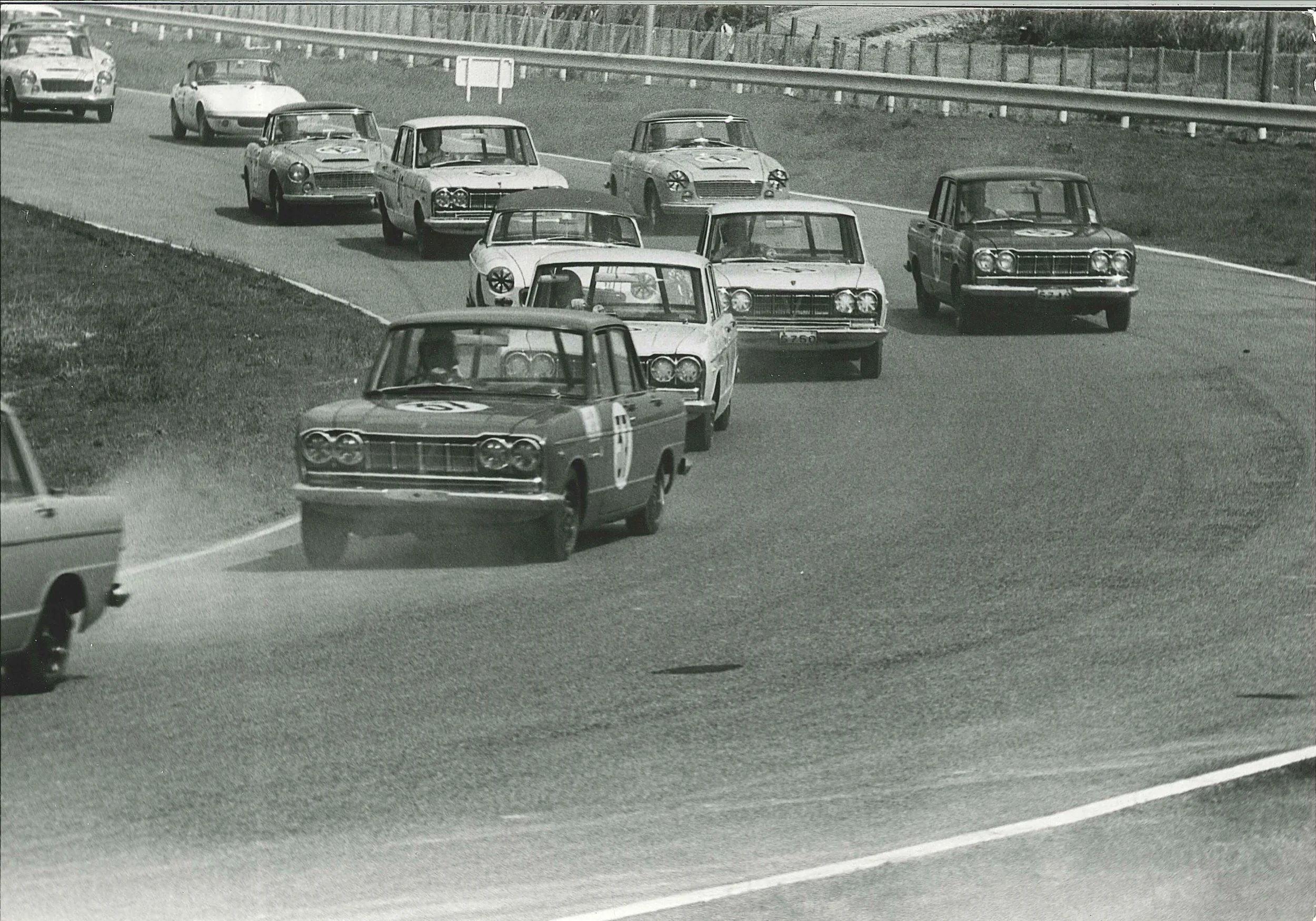
The grid order didn’t end up mattering all that much, as Shikiba blew past both of them before the first turn. A trio of Skylines gave chase. Two of them fell behind, leaving Ikuzawa as the only car with any hope of overtaking the Porsche. Lap after lap, he pushed his car to its limit, but the gap between them only seemed to grow. All he could do was keep the Porsche in view and wait for an opening. An opportunity finally emerged on the seventh lap. Shikiba came upon a lapped TR4 around the hairpin turn and couldn’t cleanly pass it. Ikuzawa made his push.
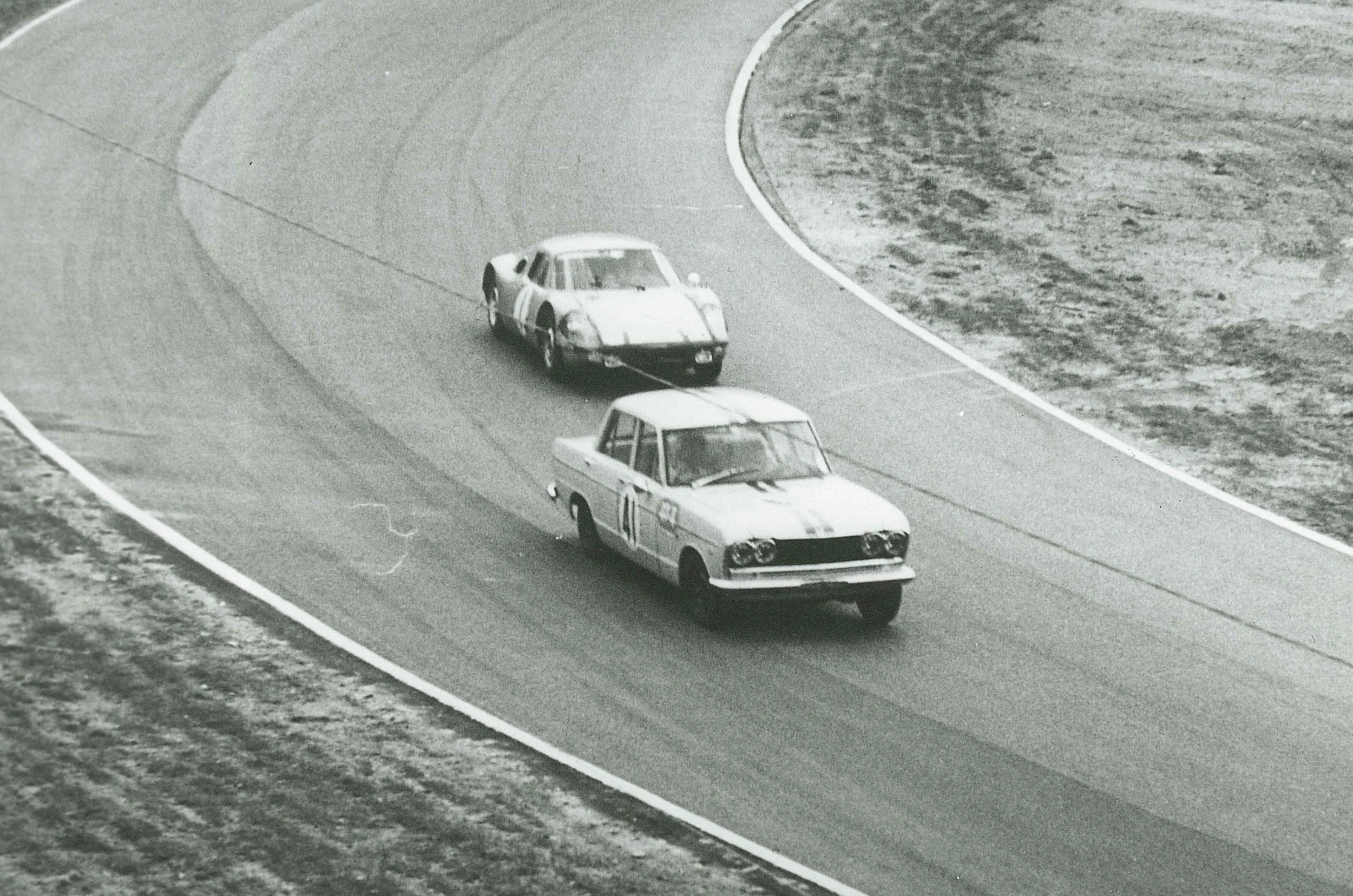
Words can hardly describe how monumental this moment was. It solidified Prince’s position as one of Japan’s most engineering-focused automakers. Their lackluster showing from the previous year became nothing but a distant memory. Tetsu Ikuzawa became a household name throughout Japan, and the Skyline GT became an icon the world over. Prince might not have been long for this world, but this moment ensured that its legacy would live on forever. The Nissan Skyline GTR is one of the most iconic Japanese sports cars of all time, and that lineage began here.
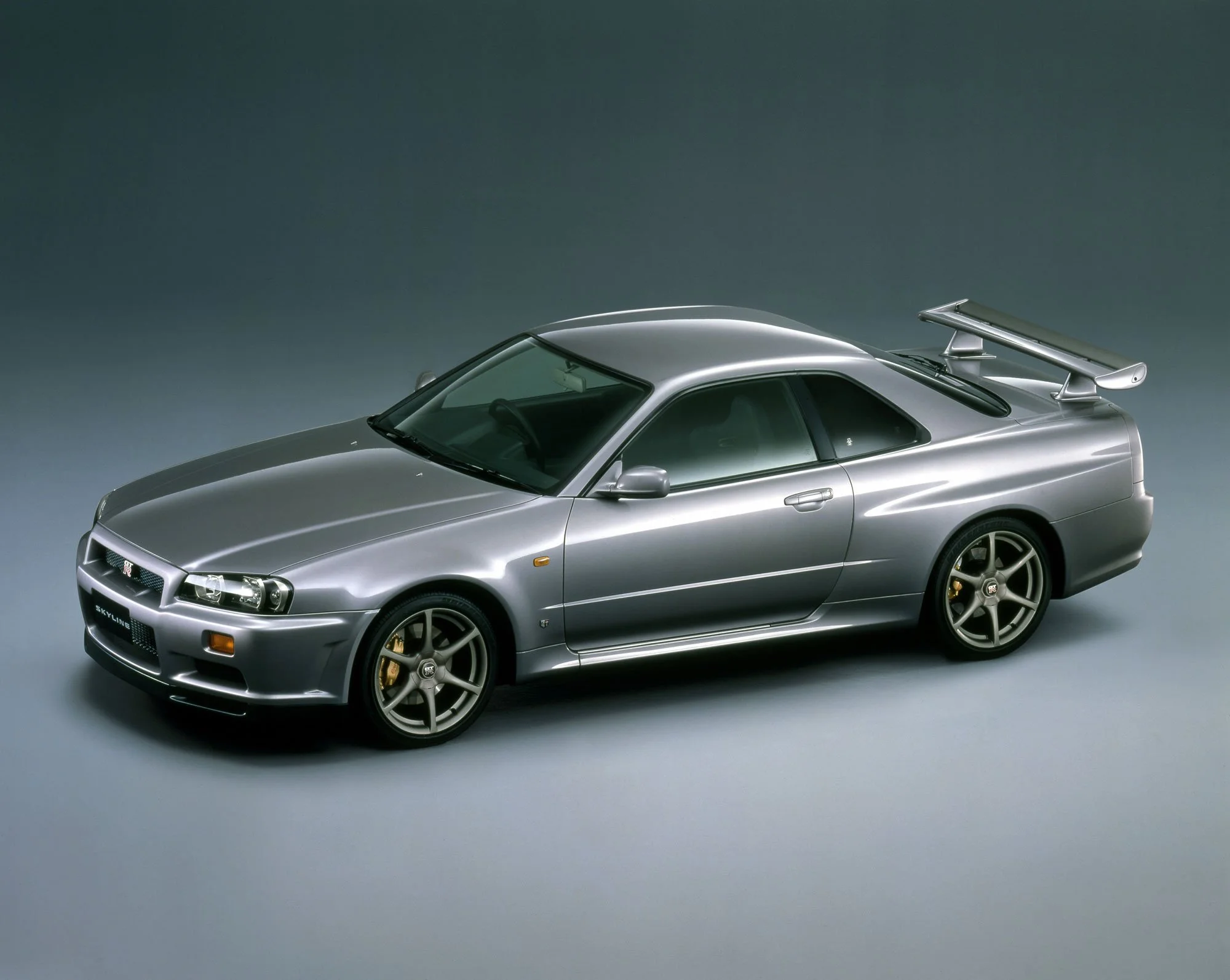
1999 Nissan Skyline GT-R
And it also symbolized just how far Japan had come since the war. Hardly two decades had passed since nuclear weapons brought the country to its knees. To see a car developed by a domestic manufacturer overtake a race car from an established make must have been beyond belief for those in attendance. It represented the rapid ascension of Japan’s automotive industry and economy. Perhaps it could even be a sign of things to come. This was the day, the minute, the very moment that Godzilla was born.
Ikuzawa carried the lead out of the hairpin, around the sweeping Spoon Curve, and through the Backstretch. He couldn’t hold off the Porsche forever, though. Shikiba overtook him on the 8th lap and never relinquished the position. He built up an insurmountable lead in a stunning display of the 904's technological prowess. Ikuzawa, meanwhile, fell to third place. Sunako gave the lead car chase, but it was no use. Shikiba decimated the competition en route to a crushing win. He beat Sunako by 10 seconds and Ikuzawa by nearly half a minute. It didn’t matter what the margin of victory was. Nothing could take away what Prince had achieved here.
PRODUCTION MODELS
Prince’s showing at the GP paid dividends in more ways than one. Homologation rules required the company to build 100 examples. Prince was reportedly barely able to meet this mark. This initial model was known as the Skyline 2000GT and was equipped with a two-barrel carb straight six that made roughly 105HP. This initial batch of cars sold out immediately, which came as a shock to Prince. It wasn’t prepared to make good on such strong demand. The company got to work on a revised model, and the Skyline 2000GT returned to the lineup in February 1965. This model was closer to the competition car, featuring a 3-barrel carb engine that produced 125 horsepower.
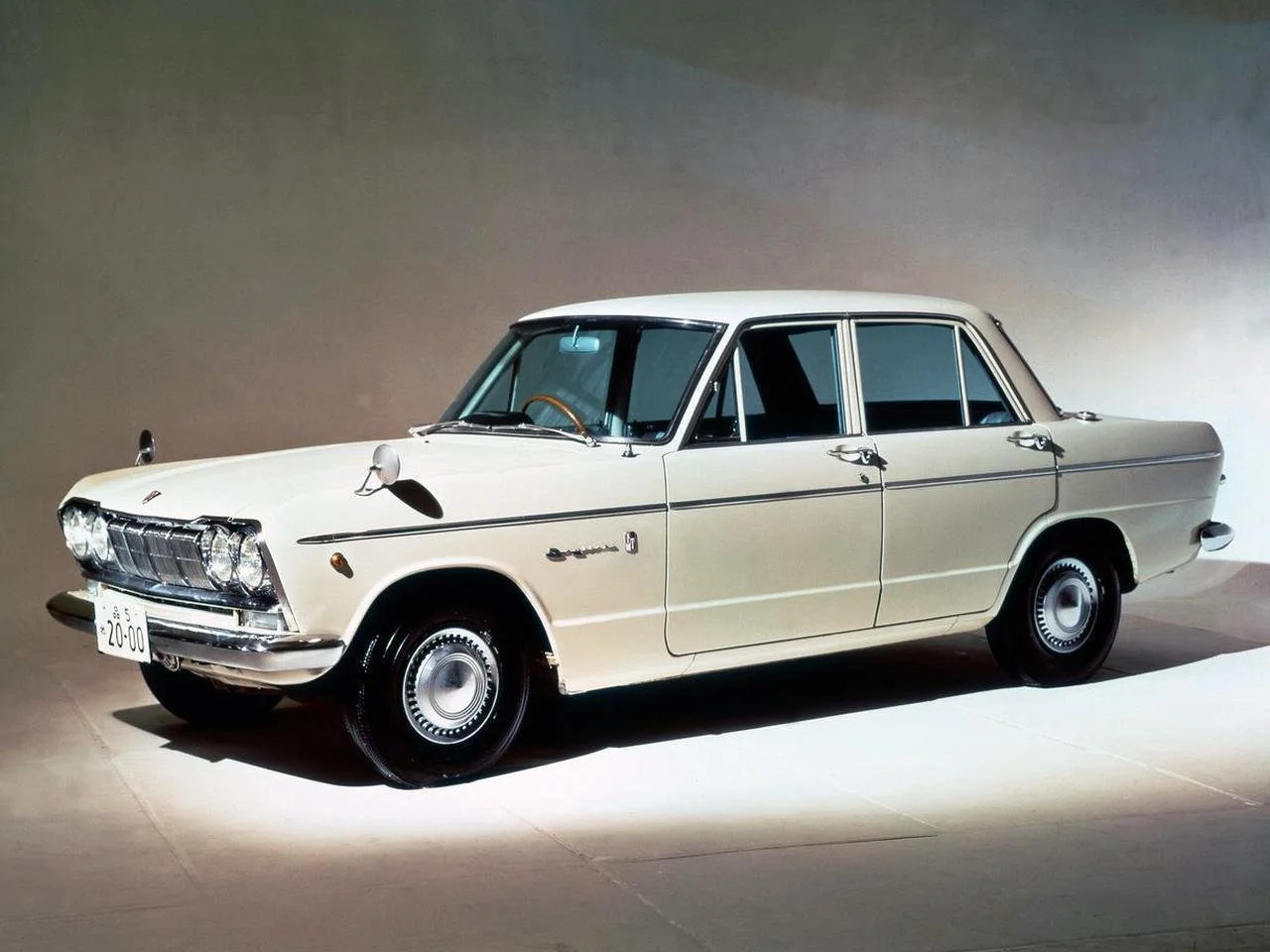
1964 Prince Skyline GT
Another variant came that September, which had a 2-barrel carb engine that put out 105 horsepower. This model became known as the 2000GT-A, while the triple carb version was marketed as the 2000GT-B. They can also be discerned by their chassis codes. The initial batch of cars came to be known as the S54A-I. The later two-barrel 2000GT-A carried the designation S54A-II, while the triple-barrel car was known as the S54B-II.
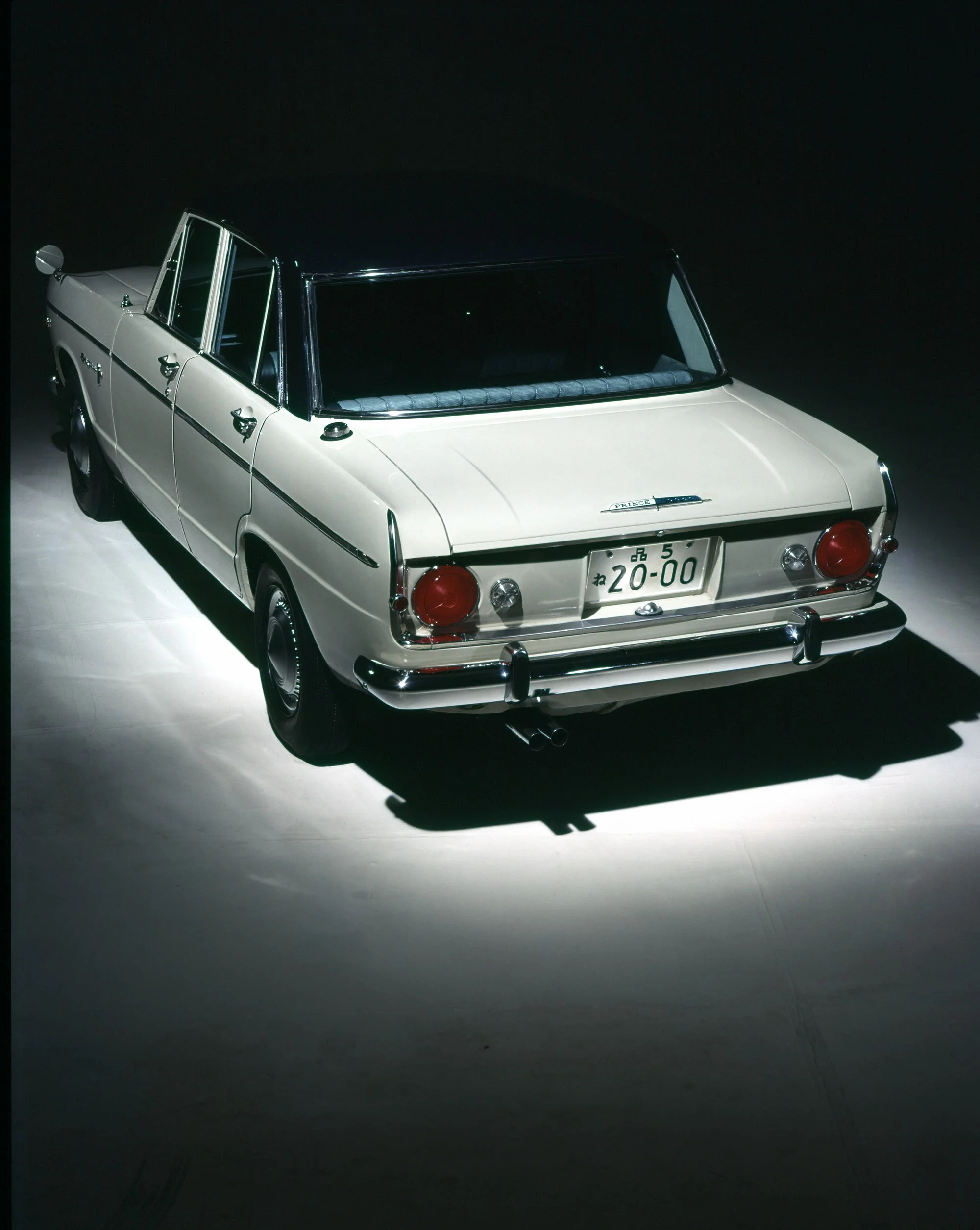
1965 Prince Skyline 2000GT-A
Prince still had some unfinished business to attend to. While it had a stellar showing at the 2nd Japan Grand Prix, moral victories only mean so much. It embarked on this journey to win, and it wouldn’t quit until it came out on top.